
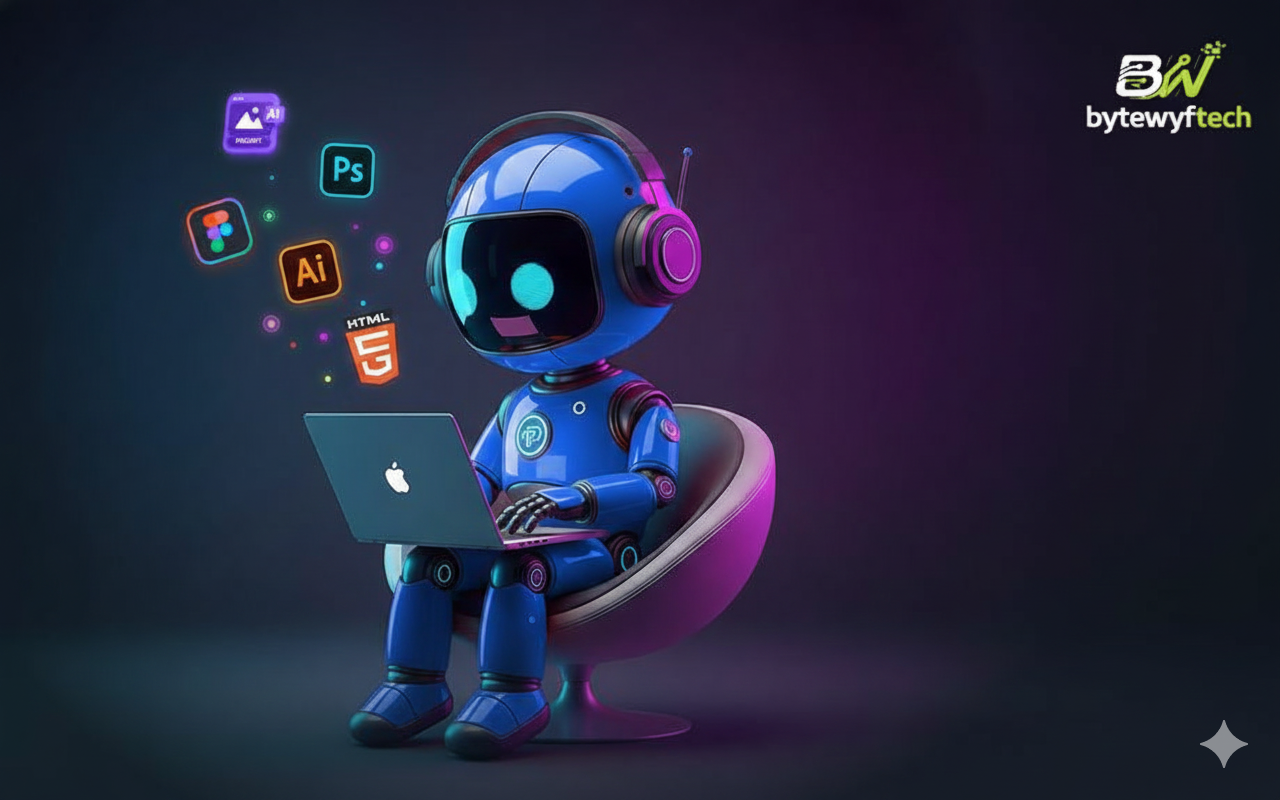
Web design is constantly evolving, and 2026 brings exciting new trends and technologies that are reshaping how we create and experience websites. In this article, we'll explore the most significant trends that are defining the future of web design.
1. AI-Powered Design Tools
Artificial intelligence is transforming the design process. From layout generation to color selection, AI tools are helping designers work more efficiently and create more personalized experiences for users. These tools analyze user behavior and automatically suggest design improvements.
2. Dark Mode by Default
Dark mode has moved from a novelty to a standard expectation. More websites are implementing dark mode as their primary interface, with light mode as the alternative. This improves user experience, reduces eye strain, and saves energy on modern devices.
3. Immersive Web Experiences
3D graphics, WebGL, and interactive elements are becoming standard in modern web design. These technologies create engaging, immersive experiences that capture user attention and increase engagement rates.
4. Microinteractions
Small, subtle animations and transitions are enhancing user experience. These microinteractions provide feedback, guide users through interfaces, and make websites feel more responsive and alive.
"The future of web design is about creating meaningful connections between users and digital products through thoughtful, intentional design."
5. Accessibility First Design
Web accessibility is no longer an afterthought. Modern web design prioritizes accessibility from the start, ensuring that websites are usable by everyone, regardless of ability or disability.
Conclusion
The web design landscape in 2026 is more dynamic and user-focused than ever before. By embracing these trends and technologies, designers can create websites that are not only beautiful but also functional, accessible, and engaging. The future belongs to those who can blend aesthetics with purpose.